Asplund and the City Hall at Röhsska Museum

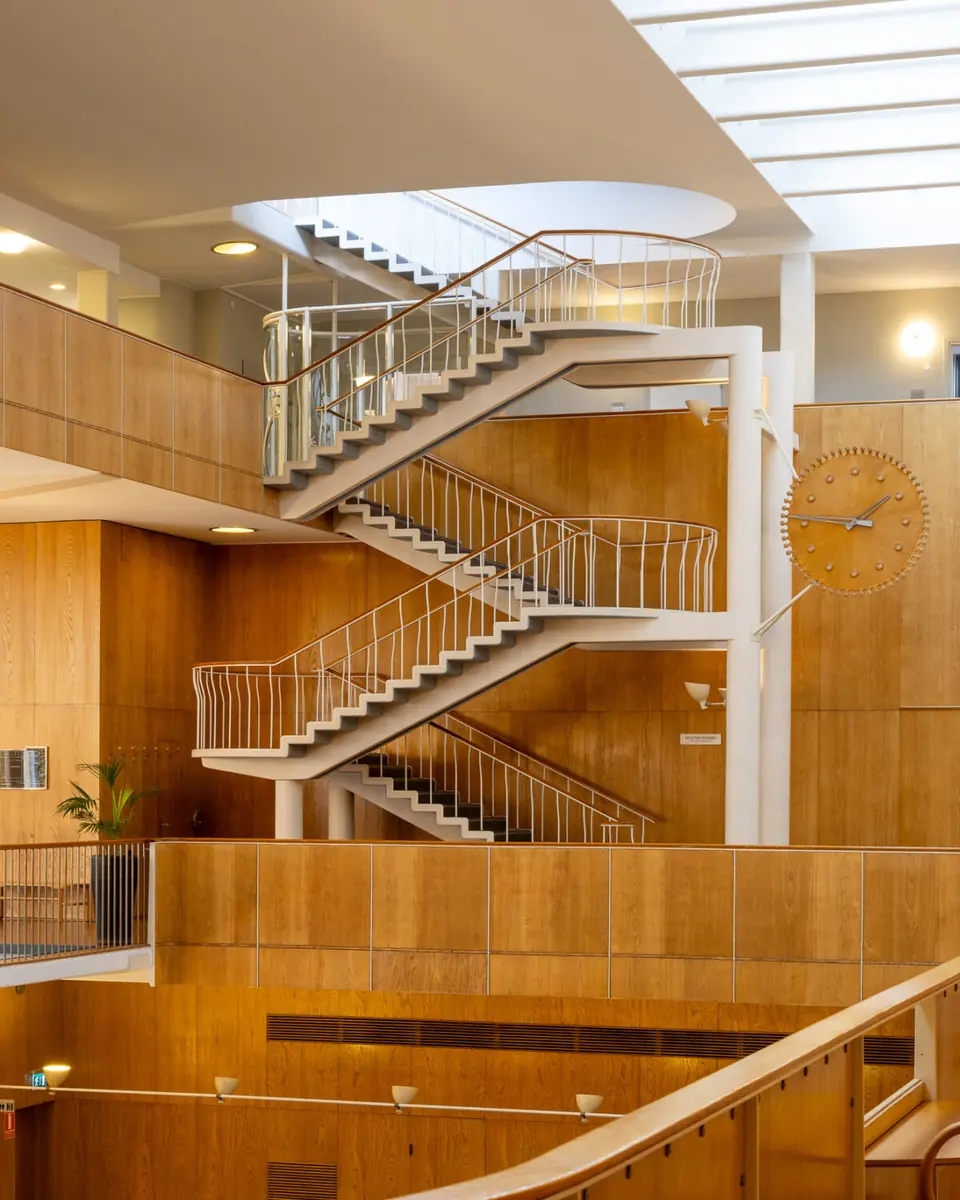
Gunnar Asplund (1885-1940) is one of Sweden's most renowned architects, known for works including the City Library and Woodland Cemetery in Stockholm, as well as the extension of Gothenburg City Hall. He was also a professor at the Royal Institute of Technology and a key figure in Scandinavian classicism and functionalism.
The exhibition offers insight into the city hall interior - a space normally closed to the public. Through photographs, sketches, and original objects borrowed from the city hall, such as chairs, lamps, and tables, the exhibition shows how Asplund worked with every detail.
During the 1930s, attitudes toward law and justice shifted toward a more humane approach to crime, emphasizing rehabilitation rather than punishment. Asplund allowed these ideas to shape the city hall's interior: soft forms and carefully considered lighting were meant to offer hope to the accused. The extension faced strong criticism when completed in 1936, but has since been reassessed by architectural experts and held up as an example of how new architecture can be integrated with the old. Today, the city hall is regarded as a masterpiece of Scandinavian modernism.
Exhibitions · Gothenburg 22 in the next 30 days →
 55exhibitionFri 2.10.Instrumentarium - Johan Tingne, Johan Frick, Karin Lindgren
 49exhibitionFri 2.10.Friskvård - Kasra Seyed Alikhani
 49exhibitionSat 7.11.Vernissage: Ilona Sagar: Architecture of Care
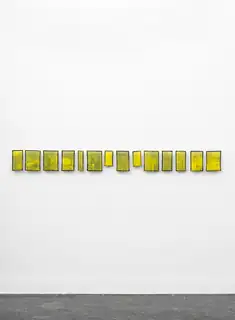 39exhibitionFri 2.10.Home as a Carrier - Milton Mondal
 39exhibitionFri 2.10.Dislocated - Tilda Lundbohm
 39exhibitionFri 2.10.Echoes Of Starvation - Haky Jasim
 99concertMon 19.10.Bob Dylan
 99concertThu 29.10.Deep Purple
 99concertWed 17.3.James Blunt
 95festivalSat 17.10.Öl & Rockmässan 2026
 95festivalSat 30.1.ROCKNYTT INDOOR 2027
 91festivalFri 12.2.Melodifestivalen