We Will Survive: The Prepper Movement and Design
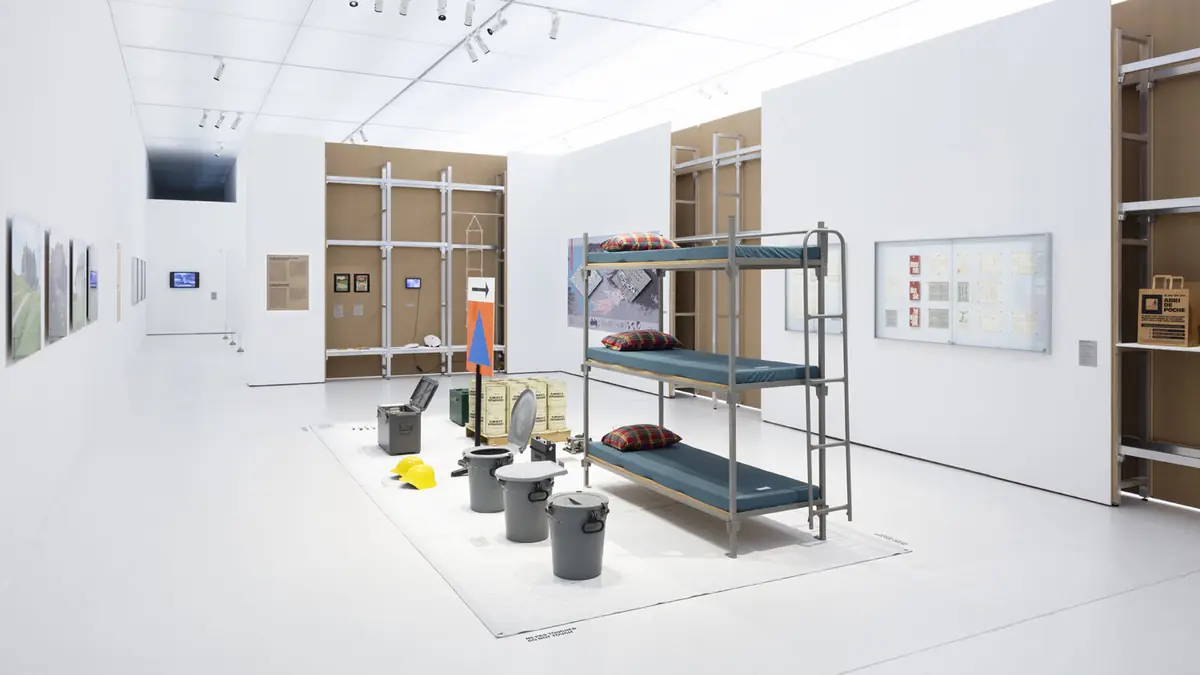
From preppers who use design to secure their survival to society's civil preparedness for war and natural disasters - the exhibition asks whether we all are, or should be, preppers.
Questions about crisis and home preparedness have taken on an increasingly central role in public debate, and prepper culture has evolved from something marginal and secretive into a global phenomenon with multiple subcultures. The exhibition We Will Survive: The Prepper Movement and Design examines preppers' ideas and preparations for the world's supposed end in three parts: existential threats and risk assessment, civil preparedness, and individual-level prepping. Over 200 design objects, architectural sketches, iconic magazines, and historical film material - including post-apocalyptic scenes from films and video games - show how design can function as a survival strategy.
The first section features, among other things, the "Doomsday Clock" from 1947, which based on research from various scientific fields measures how close we are to global catastrophe. This year it shows 89 seconds to the end. The civil preparedness section examines how the USA, Naples, Tokyo, Helsinki, and Sweden prepare themselves at state and municipal levels, including through how the MSB brochure "Om kriget eller krisen kommer" has changed over time.
The third section is devoted to individual prepping and takes the form of a quick-shop experience - "The Prepper Supermarket" - where visitors can browse products and solutions for basic survival needs such as water, food, warmth, and shelter.
We Will Survive: The Prepper Movement and Design is a touring exhibition from mudac - Museum of Contemporary Design and Applied Arts in Lausanne.
Events · Gothenburg 416 in the next 30 days →
 49exhibitionSat 7.11.Vernissage: Ilona Sagar: Architecture of Care
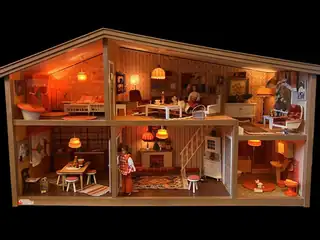 39exhibitionSat 17.10.Miniature Reflections
 34exhibitionSat 21.11.Anna Öberg - Landscapes
 30exhibitionFri 6.11.Sunset Images
 99concertMon 19.10.Bob Dylan
 99concertThu 29.10.Deep Purple
 99concertWed 17.3.James Blunt
 95festivalSat 17.10.Öl & Rockmässan 2026
 95festivalSat 30.1.ROCKNYTT INDOOR 2027
 91festivalFri 12.2.Melodifestivalen
 98concertWed 14.10.Sixpence None the Richer
 98concertFri 23.10.Icona Pop